What green architecture really means
Sustainable design is often misunderstood as high-tech or trend-driven. At Hector Parra Architects, green architecture is a mindset—a commitment to creating buildings that are efficient, healthy, and harmoniously integrated with their environment. It’s about design that respects nature and the people who inhabit the spaces, rather than relying solely on mechanical systems or labels.
Green architecture begins with careful observation of the site, climate, and natural resources. Every decision—from orientation to materials—is made to reduce environmental impact while supporting comfort, functionality, and aesthetic integrity.
Passive design: the foundation of sustainability
Passive strategies are central to green architecture. Building orientation, shading devices, thermal mass, and natural ventilation regulate temperature without extensive mechanical systems. In Mediterranean climates, such approaches are crucial: deep overhangs and shaded patios protect interiors from summer heat, while thick walls retain warmth in winter. By designing buildings that work with the environment rather than against it, energy consumption is reduced, and comfort is enhanced naturally.
Materials that respect the planet
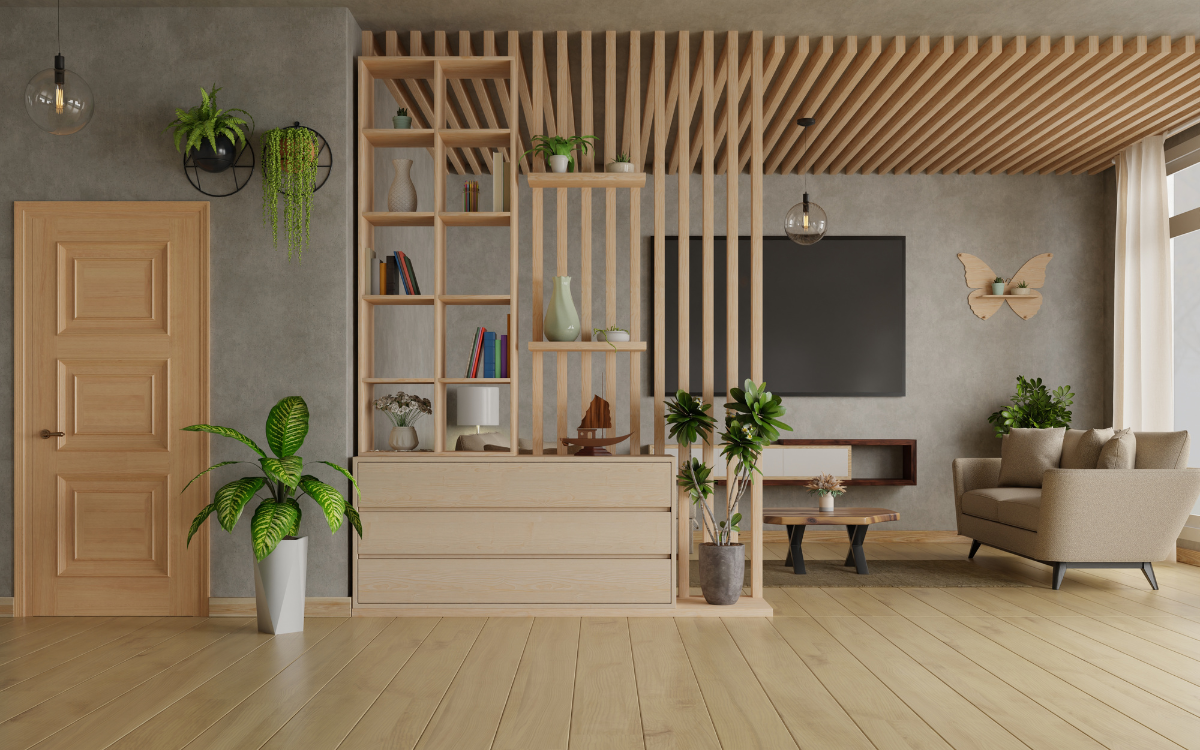
Material selection defines both sustainability and character. Recycled components, responsibly sourced wood, and low-VOC finishes ensure a healthy indoor environment while minimizing ecological impact. Hector Parra Architects emphasizes materials that age gracefully, enhancing durability and reducing future replacements. This philosophy extends beyond environmental considerations—honest, long-lasting materials also contribute to the beauty and authenticity of the space.
Efficient energy systems
While passive design minimizes energy needs, the studio integrates renewable energy solutions and efficient lighting where appropriate. Solar panels, LED systems, and smart controls complement the architectural design rather than dictate it, ensuring energy systems are supportive, not intrusive.
Water and landscape management
Water efficiency is a critical component of green architecture. Rainwater harvesting, efficient irrigation, and native plant landscaping reduce water consumption and maintenance while supporting local ecosystems. Permeable paving and natural drainage prevent runoff and preserve biodiversity, integrating the built environment into the natural landscape.
Healthy interiors for human-centered design
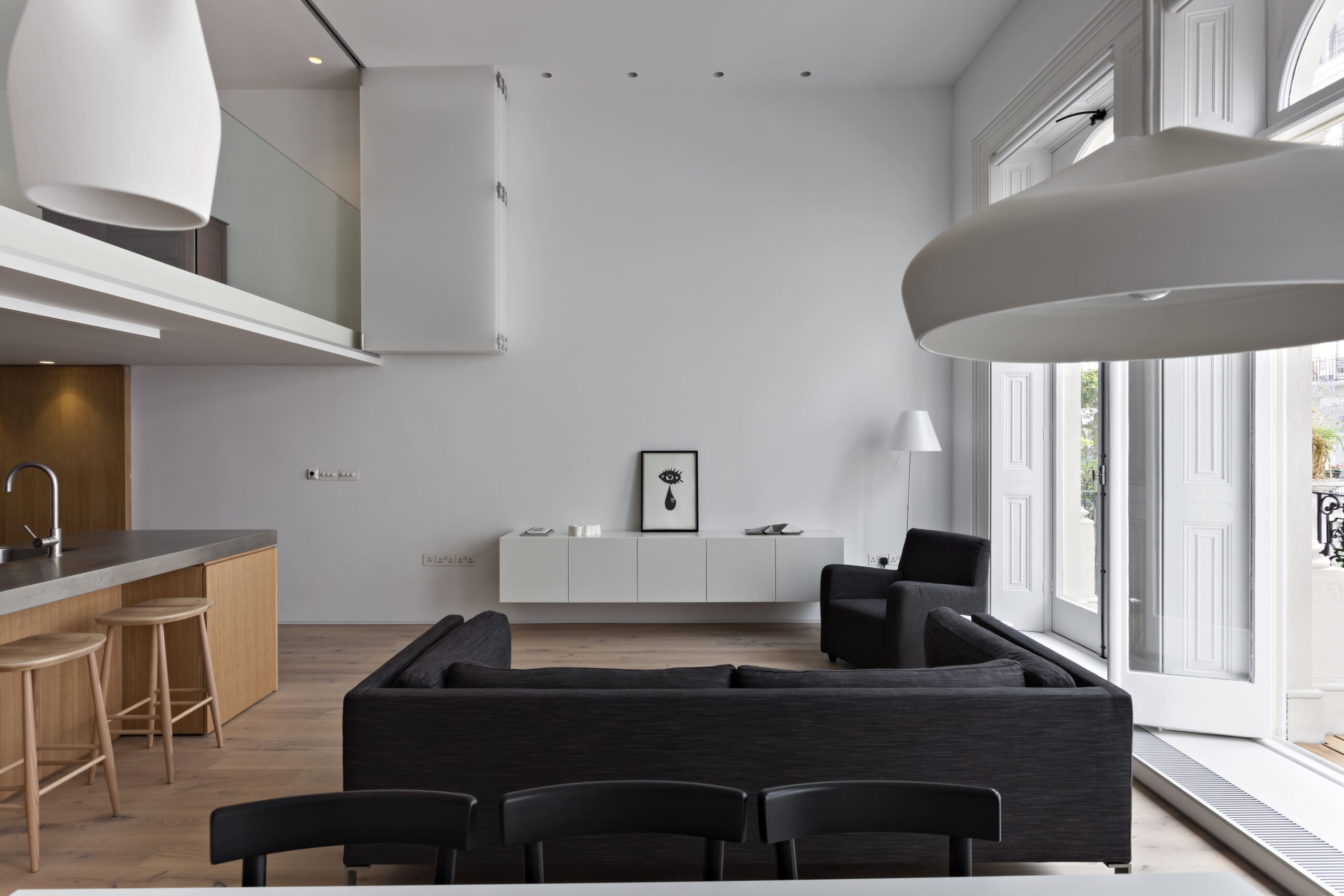
Green architecture prioritizes wellbeing. Natural light, cross ventilation, and non-toxic materials create interiors that are comfortable, clean, and calming. By considering how occupants interact with spaces, Hector Parra Architects ensures that sustainability and human comfort are inseparable.
Adaptable and timeless design
A sustainable building is adaptable. Flexible layouts, durable materials, and minimalist detailing allow homes to evolve with the occupants’ needs. By designing for longevity, the studio reduces environmental impact over time and ensures that spaces remain functional, relevant, and aesthetically enduring.
Green architecture as a lifestyle
Ultimately, green architecture is more than design—it’s a philosophy. It reflects a commitment to environmental responsibility, quality of life, and long-term beauty. By integrating passive strategies, careful materials, energy efficiency, water management, and human-centered interiors, Hector Parra Architects demonstrates that sustainability can be elegant, practical, and enduring.