What is a eco friendly architecture?
As environmental awareness continues to shape the way we build and live, eco friendly architecture has become a defining pillar of modern design. At Héctor Parra Architects, we believe that sustainability is no longer optional—it is essential. Today, architecture must respond not only to aesthetic and functional needs, but also to environmental responsibility.
In this guide, we explore what sustainable architecture truly means, why it matters, and how it is transforming cities like London.
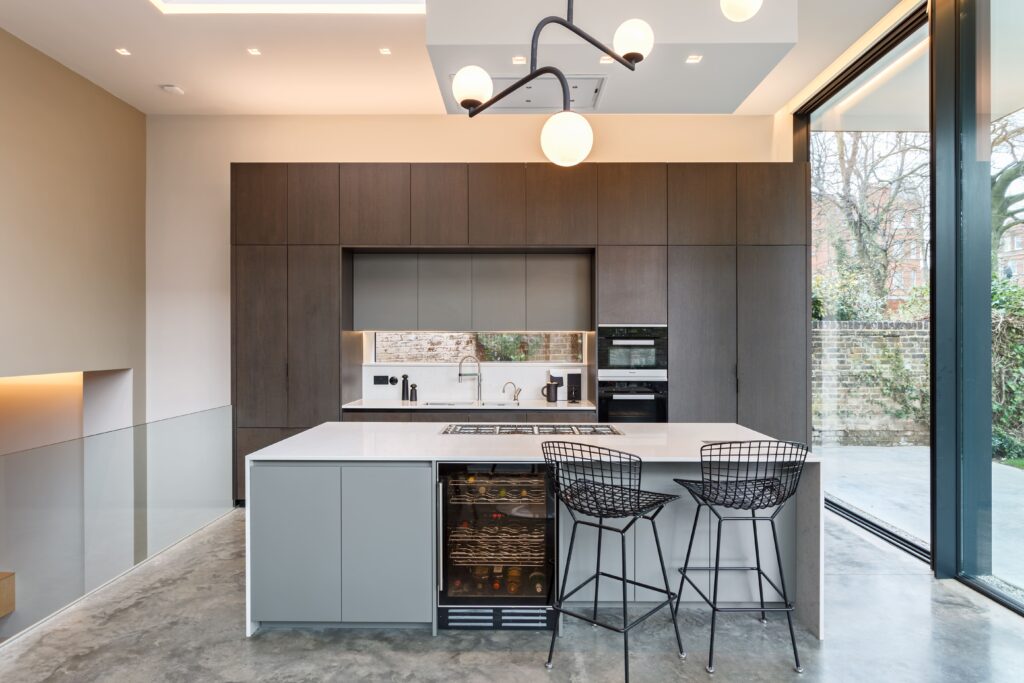
What is eco friendly architecture and why does it matter?
This type of architecture refers to the design and construction of buildings that minimise environmental impact while maximising efficiency and comfort. This approach integrates sustainable materials, energy-efficient systems, and thoughtful design strategies.
Core principles of sustainable design
At its core, eco-conscious architecture focuses on:
- Reducing energy consumption
- Using renewable and low-impact materials
- Optimising natural light and ventilation
- Minimising waste during construction
- Enhancing occupant wellbeing
These principles help create buildings that are not only efficient but also healthier for those who inhabit them.
The growing importance in urban environments
In cities like London, where density and energy demand are high, sustainable design plays a crucial role. It allows us to reduce carbon emissions while improving the quality of urban living.
Key features of eco friendly architecture in modern projects
Today’s eco friendly architecture goes beyond basic energy savings. It integrates advanced technologies and innovative materials to achieve long-term sustainability.
Energy-efficient building systems
Modern projects incorporate:
- Solar panels and renewable energy sources
- High-performance insulation
- Smart climate control systems
These features significantly reduce energy consumption and operational costs.
Sustainable materials and construction methods
Material selection is fundamental. We prioritise:
- Recycled and locally sourced materials
- Low-carbon concrete alternatives
- Certified sustainable timber
Additionally, efficient construction methods help minimise waste and environmental disruption.
Passive design strategies
Passive design is one of the most effective approaches in eco friendly architecture. It includes:
- Strategic building orientation
- Maximising natural daylight
- Cross-ventilation systems
These techniques reduce reliance on artificial energy while enhancing comfort.
Benefits of adopting eco friendly architecture
Choosing eco friendly architecture offers both environmental and economic advantages.
Long-term cost savings
Although initial investment may be higher, operational costs are significantly reduced over time due to lower energy consumption.
Improved health and wellbeing
Sustainable buildings often provide better air quality, natural light, and thermal comfort, which positively impacts occupants.
Increased property value
Eco-friendly buildings are increasingly attractive in the real estate market, especially in cities like London where sustainability is a key selling point.
Regulatory compliance
Sustainability standards and regulations are becoming stricter. Adopting this approach ensures compliance with current and future requirements.
At Héctor Parra Architects, we integrate these trends into our design philosophy. We have the best architectural design team for your projects.
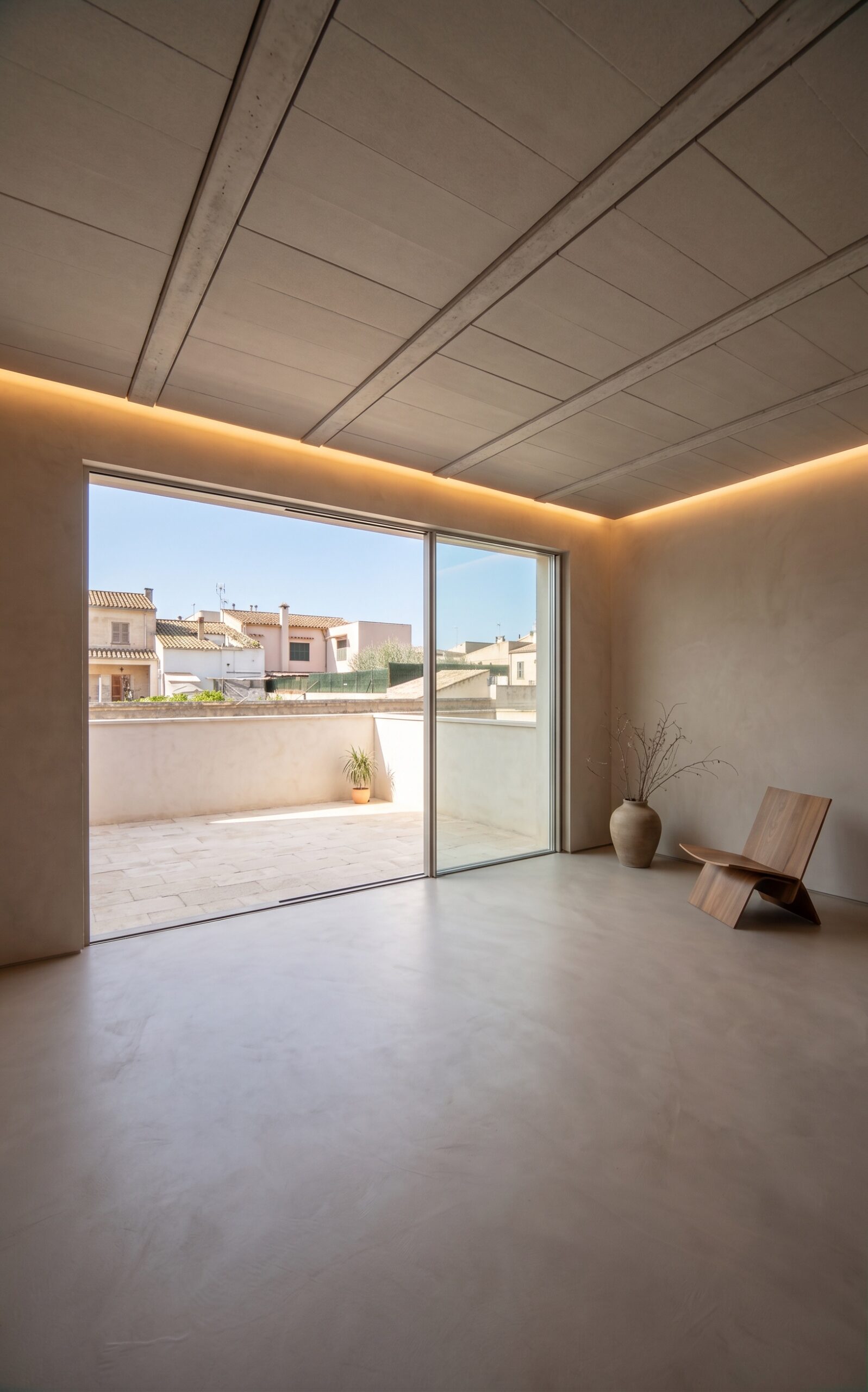
Trends shaping eco friendly architecture in London
The evolution of eco friendly architecture is driven by innovation and changing client expectations. Several trends are currently shaping the industry.
Net-zero and carbon-neutral buildings
More developments aim to achieve net-zero emissions by balancing energy consumption with renewable production.
Circular design principles
This approach focuses on reusing materials and designing buildings for future adaptability or disassembly.
Biophilic design
Integrating nature into architecture—through green walls, natural materials, and indoor plants—enhances wellbeing and sustainability.
Smart building technologies
Automation systems optimise energy use, lighting, and climate control, making buildings more efficient and responsive.
At Héctor Parra Architects, we integrate these innovations into our design philosophy. Learn more about our architectural design process (internal link) to see how we bring these ideas to life.
How to implement eco friendly architecture in your project
Adopting sustainable design does not have to be complex. A structured approach can make the process efficient and effective.
Step-by-step approach
- Define sustainability goals early in the project
- Work with experienced architects and consultants
- Choose appropriate materials and systems
- Incorporate passive design strategies
- Monitor performance after completion
This process ensures that sustainability is embedded at every stage.
Common challenges and how to overcome them
Some clients may face challenges such as:
- Budget constraints
- Limited knowledge of sustainable options
- Concerns about design limitations
However, with the right guidance, these challenges can be addressed without compromising quality or aesthetics.
Common misconceptions about eco friendly architecture
Despite its growth, there are still misconceptions surrounding eco friendly architecture.
“It is too expensive”
While upfront costs can be higher, long-term savings often outweigh the initial investment.
“It limits design creativity”
In reality, sustainability often drives innovation, leading to more creative and functional solutions.
“It is only for large projects”
Eco-friendly principles can be applied to projects of all scales, from small renovations to large developments.
Get advice today from experts in eco friendly architecture
Eco friendly architecture represents the future of building design. It combines innovation, responsibility, and performance to create spaces that benefit both people and the planet.
At Héctor Parra Architects, we are committed to delivering sustainable solutions that meet the highest standards of design and environmental care. By embracing this approach, we can create a built environment that is not only beautiful, but also resilient and future-ready. Contact us for advice on your project.