Sustainable design that puts context before trends
Building a home is one of the biggest decisions a family ever makes. So the choice of designer matters enormously. Because of this, many people compare portfolios for weeks. Eventually, they settle on an architect in León residents recommend for its honest, context-driven approach. Rather than starting from a fixed template, Héctor Parra Architects listens carefully to the client, the site and the surrounding landscape first. As a result, no two homes ever look the same. Each one grows from a different plot, orientation and lifestyle. Therefore, this first meeting never wastes time. Instead, it builds the foundation for everything that follows.
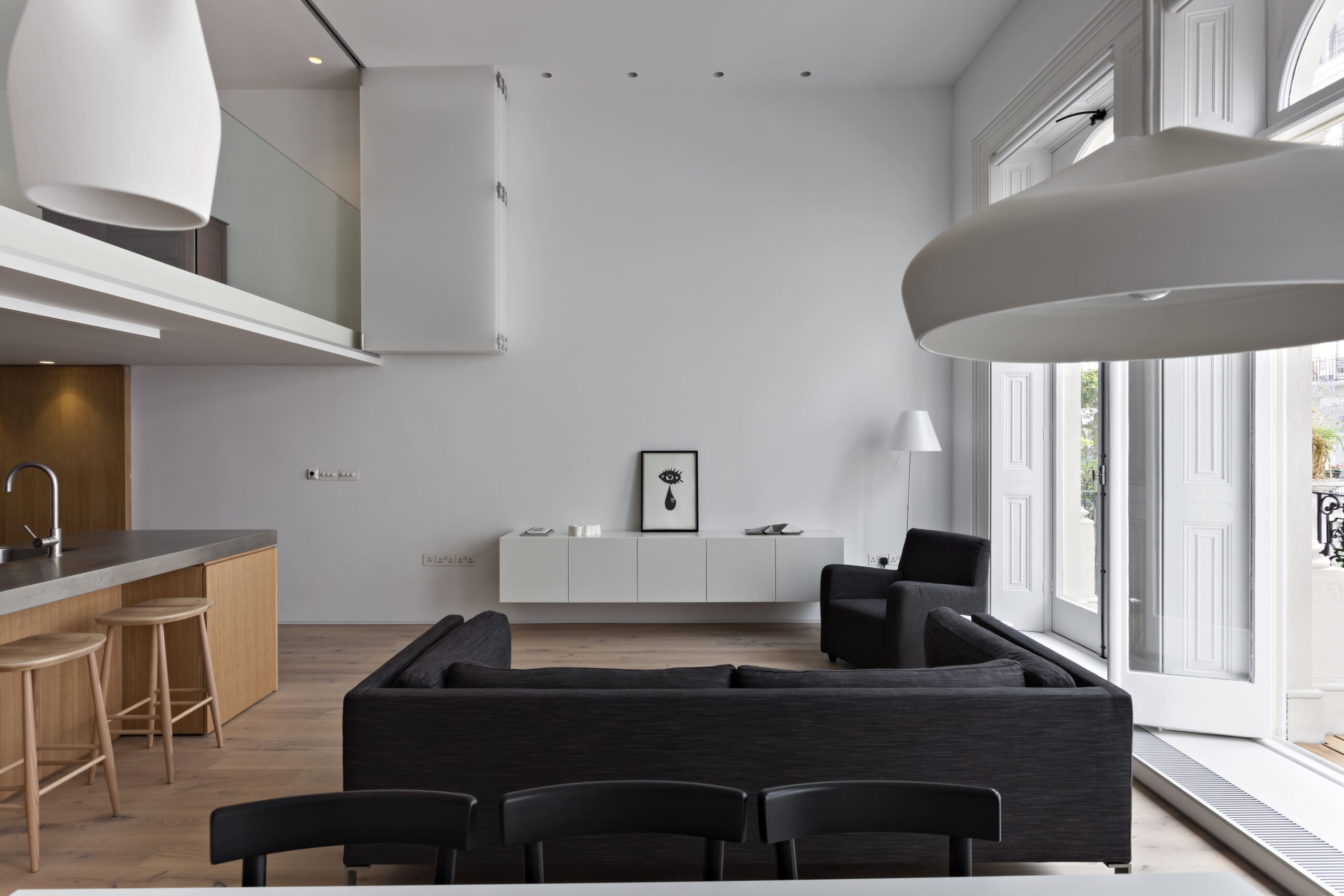
Why an architect in León chooses sustainable over modular
Many people assume that sustainable and modular mean the same thing. Yet they differ quite a lot. Modular housing relies on repeated, factory-made units. So the final result often looks identical from one plot to the next. Sustainable architecture, on the other hand, responds to its specific site, climate and orientation. So every decision reflects that unique context, rather than a generic template. Consequently, a genuine architect in León clients trust designs the home from scratch. Nobody assembles it from a catalogue. Additionally, this bespoke approach lets the team optimise natural light, ventilation and insulation for that exact plot. Furthermore, because every home is unique, the architect can adapt structural and material choices precisely to budget, terrain and family needs. In short, sustainability here means intelligent design, not mass production.
The design process, step by step
Understanding the process helps clients feel confident from day one. First, the listening phase captures the family’s needs, daily routines and long-term goals. Next, the concept phase translates those goals into early sketches, volumes and material ideas. After that, the technical phase produces detailed plans and structural calculations. So nothing gets left to chance on site. Meanwhile, the team shares every step openly with the client. So surprises rarely happen later in the process. Finally, during construction, the studio supervises contractors closely. So the original vision survives contact with reality. Similarly, this structured method explains why families keep choosing the same architect León for future projects too. Because of this consistency, clients rarely need to look elsewhere once the first home is finished.
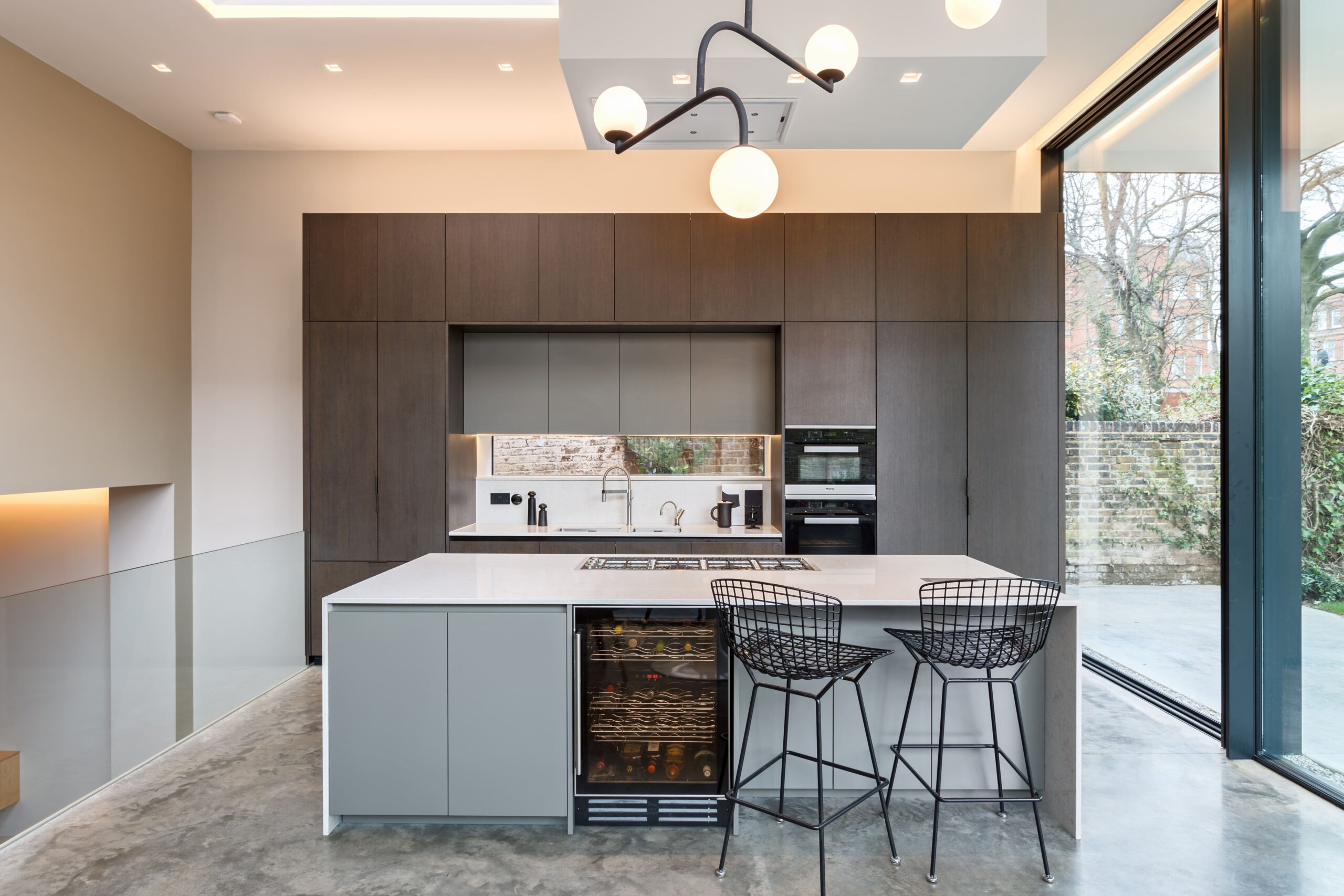
Materials an architect in León recommends for passive design
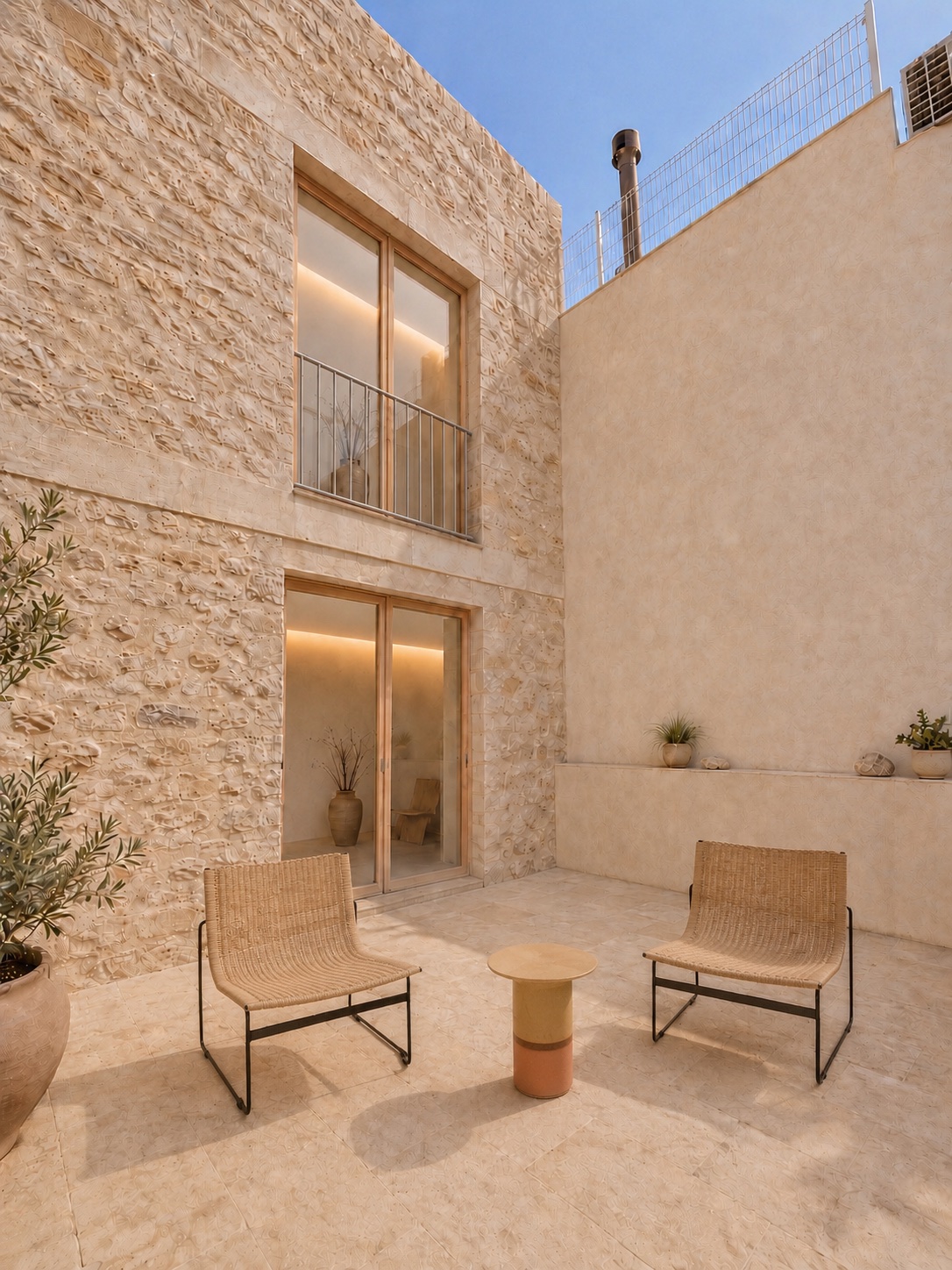
Good materials do more than look attractive. They also reduce long-term running costs. Indeed, thick, well-placed insulation keeps homes warm in winter and cool in summer. So energy bills stay predictable. Moreover, correct orientation lets natural light do most of the work during the day. This reduces dependence on artificial lighting. Additionally, many of these choices follow internationally recognised passive design standards. These set clear benchmarks for insulation, airtightness and glazing performance. Because of this, an architect in León homeowners hire for a sustainable project should always explain material choices in plain language, not technical jargon. Also, natural materials such as stone, wood and lime plaster age gracefully. So the home still looks good decades later. Above all, these decisions work together. Comfort, efficiency and appearance never compete as separate goals.
Why context matters more than trends
Design trends come and go, yet a home’s context never changes. Therefore, a house built around its slope, its views and its local climate tends to age far better than one copying a passing style. Similarly, this is why an architect in León trusts local context over fashion when making key decisions. Trends rarely respect a specific plot’s conditions. Meanwhile, this same philosophy has already shaped sustainable homes in Mallorca and London. This proves it adapts naturally to different regulations and climates. So, whether the project sits in León or elsewhere, the underlying method stays consistent. Consequently, clients gain a home that feels right immediately, rather than one that needs updating within a few years.
Choosing the right partner for your project
Ultimately, choosing an architect in León clients recommend goes far beyond aesthetics. It comes down to trust, transparency and long-term value. Because the studio explains every stage clearly, clients always know what to expect next. Also, because sustainability starts the process rather than following as an afterthought, the finished home performs well for years, not just at handover. In short, working with an architect in León homeowners return to for future projects means investing in a partner, not just a service. For anyone ready to start that conversation, the studio’s dedicated architect in León page offers a practical first step. It leads toward a home built around real context, not a template.
Common questions before starting a project
Naturally, most clients arrive with similar questions before committing to a project. How long does the process take? Generally, timelines depend on scale and complexity. So the listening and concept phases alone can take several weeks before technical drawings even begin. Does sustainable design cost more upfront? Sometimes, yes, since better insulation and materials carry a higher initial price. However, lower energy bills and reduced maintenance usually offset that difference within a few years. So the long-term value tends to outweigh the early investment. Can existing homes be renovated using this same approach? Absolutely. Many of the same principles, such as improved insulation and better orientation, apply just as well to renovation projects as to new builds. Therefore, clients should ask these questions early, so expectations stay realistic throughout the entire process.
Finally, good architecture rarely happens in a rush. Because thoughtful decisions take time, clients who value patience during the design phase usually end up most satisfied with the finished result. Meanwhile, this patience also lets the team test different orientations and layouts before committing to a final plan. So costly mistakes rarely happen later. Consequently, the extra weeks spent refining details at the start of a project almost always save both time and money once construction begins. In the end, a studio that prioritises context, transparency and sustainability over speed tends to produce better homes. As a result, families genuinely enjoy living in them for decades to come.