A practical approach to architecture and sustainability
What sustainable architecture really means
Sustainability in architecture is not a trend—it is a responsibility. When we talk about architecture and sustainability, we refer to a design process that considers energy, materials, climate and long-term use from the beginning. The goal is not only to reduce the environmental impact of a building, but also to create healthier spaces for the people who live and work in them. Sustainable architecture starts long before construction: it begins with listening, observation, and careful study of the site. It is about understanding how a building will perform over time, how it will age, and how it will respond to climate and human use. This mindset changes the way architecture is conceived: from a single object to a living system that interacts with its surroundings.
Climate-driven design
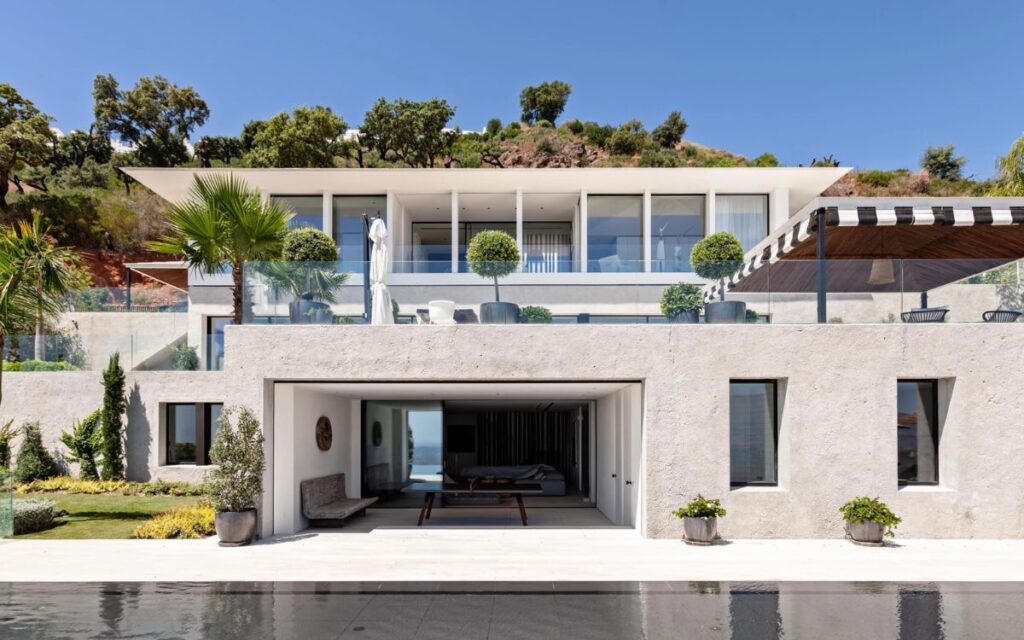
The first step in sustainable design is to understand the local climate. In Mediterranean regions, this means using natural ventilation, solar orientation and shading to reduce the need for artificial cooling. Proper insulation and thermal mass help maintain comfortable temperatures throughout the year, reducing energy consumption. The position of windows, the size of openings and the orientation of rooms are decisions that directly influence thermal comfort. A well-designed building can be cooler in summer and warmer in winter simply through intelligent planning. This is the essence of sustainable architecture: using design to reduce dependence on mechanical systems.
Materials that last
Materials also play a key role in sustainability. Choosing durable, low-impact materials that age well can reduce waste and avoid constant renovation. Local materials are often the best choice because they reduce transport emissions and connect the building to its environment. When materials are chosen for their longevity, they also help create spaces that feel grounded and authentic. Stone, wood and natural plasters are not only beautiful—they are materials that improve with time. In architecture and sustainability, beauty is not superficial. It is the result of materials that have been selected with care and respect for the environment.
Water as a design element
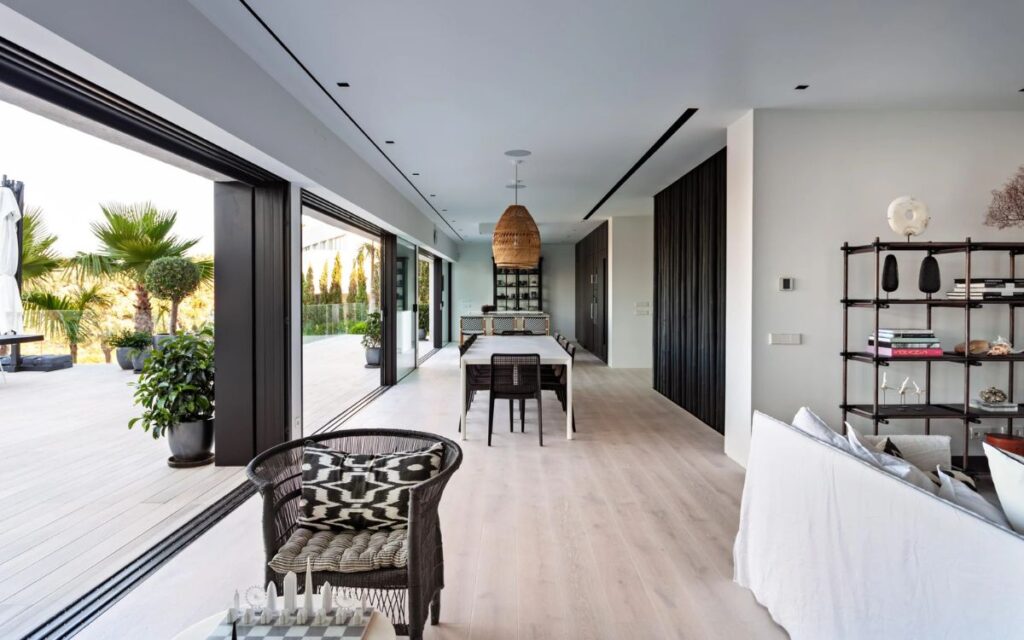
Another essential element is water management. Rainwater collection, efficient plumbing systems and landscape design that minimizes irrigation can significantly reduce water consumption. In many climates, water is a limited resource, and architecture must respond accordingly. A sustainable project considers how water is used inside the building and how it is treated outside. Permeable surfaces, natural drainage and native planting reduce the need for artificial irrigation and help restore the local ecosystem. Water becomes part of the architectural strategy, not a secondary concern.
Energy efficiency through design
Energy efficiency is also a fundamental part of architecture and sustainability. However, energy efficiency is not only about technology; it is about reducing demand first. This means designing buildings that require less energy for heating, cooling and lighting. Passive design strategies, such as shading devices, thermal mass and natural ventilation, can significantly reduce energy use. When mechanical systems are necessary, they should be efficient and well-integrated. Solar panels, heat pumps and smart controls can support the building’s performance, but the priority is always to minimize energy demand through design.
Flexibility and longevity
A sustainable building must also be flexible and adaptable. Life changes, family structures change, and needs evolve over time. Architecture that is designed to adapt reduces the need for future renovations and the waste associated with them. Flexibility is a sustainable strategy because it extends the life of the building and keeps it functional and relevant for longer. In this way, sustainability is not only ecological, but also practical and economic.
Health and wellbeing
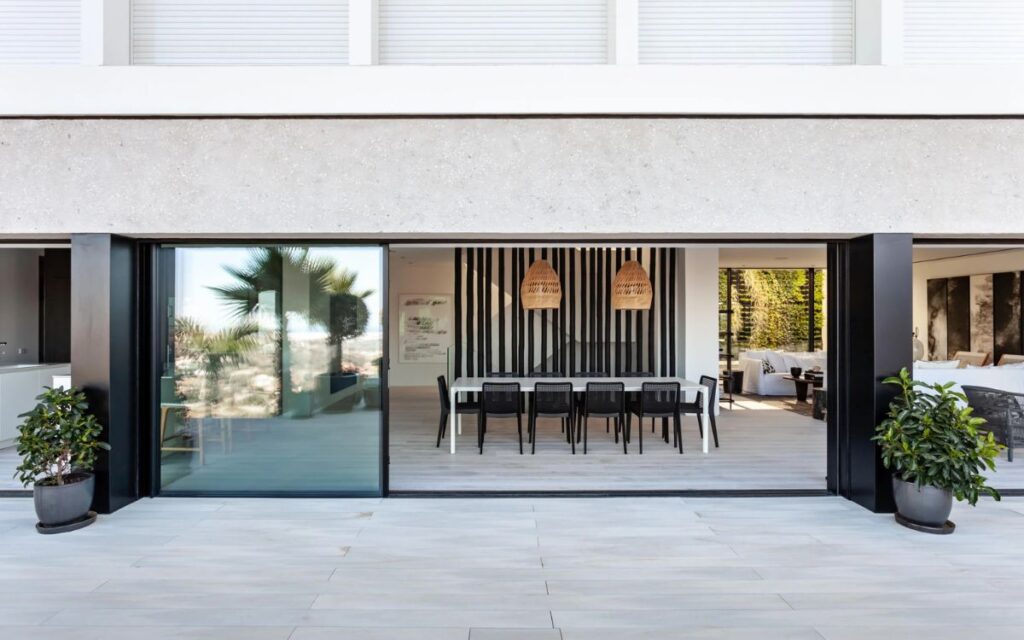
Sustainability is also a question of health. Indoor air quality, natural light and comfortable acoustics improve the wellbeing of the people who live in a building. A sustainable home is one where natural light is abundant, where materials do not emit harmful substances, and where spaces feel calm and balanced. Architecture that supports wellbeing is a form of sustainability because it contributes to a better quality of life. A building can be energy efficient, but if it is uncomfortable or unhealthy, it fails its purpose.
The final goal: timeless design
Finally, sustainable architecture is about longevity. A building that is designed to last and adapt over time has a much lower environmental impact than one that needs constant updates. This is why sustainable design is not just about technology, but also about careful planning and timeless design. When architecture is designed with restraint and clarity, it becomes timeless. Timeless design reduces the desire to renovate for aesthetic reasons and encourages a more conscious relationship with the built environment.
Architecture and sustainability is a holistic approach that involves climate, materials, energy, water, health and long-term thinking. It is not a single strategy, but a combination of decisions that work together to create buildings that are efficient, beautiful, and resilient. Sustainable architecture is not about sacrificing comfort or aesthetics—it is about creating spaces that are better for people and the planet. When architecture is designed with sustainability at its core, it becomes a meaningful contribution to the future.